
Deep Human Review for High-Stakes Personal Injury,
Catastrophic Injury & Mass Tort Cases
Catastrophic Injury & Mass Tort Cases
Some cases are too high-stakes for a first-draft AI tool. A traumatic brain injury with years of neurological follow-up. A spinal cord injury with a disputed pre-existing condition. A wrongful death claim spanning a dozen treating providers. A mass tort file where causation itself is the argument. These aren't documents you run through an algorithm and call done — they're cases where a single missed nuance in the medical record can cost your client the settlement, or the trial, they deserve.
FactAssess' Complex & Catastrophic Case Review service puts experienced legal-domain reviewers — not just AI output — on your most demanding files: traumatic brain injury (TBI), spinal cord injury, multi-year and multi-provider treatment histories, disputed causation, wrongful death, and mass tort litigation. Where generic AI drafting tools are built for speed and volume, our review process is built for the complexity your highest-value cases actually contain.
If the case is complex enough to matter, it's complex enough to deserve a human expert reviewing it — not just an algorithm summarizing it.
What Our Complex & Catastrophic Case Review Covers
Our human-led review process is built specifically around the case types that push past what off-the-shelf AI drafting tools were trained to handle:
Traumatic Brain Injury (TBI) Cases
TBI cases involve nuanced neurological, cognitive, and behavioral findings scattered across neurology, neuropsychology, and rehabilitation records. We review the full clinical picture to build a chronology that reflects the true trajectory of the injury.
Spinal Cord Injury Cases
Spinal cord injury claims frequently involve layered diagnostic imaging, surgical histories, and long-term functional impact assessments. Our reviewers build chronologies that capture the full clinical and functional picture.
Multi-Year, Multi-Provider Treatment Histories
The challenge isn't just volume — it's coherence. We organize sprawling, fragmented medical records including any prior and/or unrelated records into a single, accurate, chronological narrative your legal team can actually use.
Disputed Causation
Our reviewers are trained to identify and organize the clinical evidence that supports (or complicates) causation — work that requires legal-medical judgment, not pattern-matching.
Wrongful Death Cases
Wrongful death claims combine medical, procedural, and often multi-party complexity. We provide thorough, defensible case review and documentation support.
Mass Tort Litigation
Our review process is built to scale without sacrificing the case-by-case medical accuracy mass tort litigation demands, even under tight case-management deadlines.
Why Generic AI Tools Underperform on Complex and Catastrophic Cases
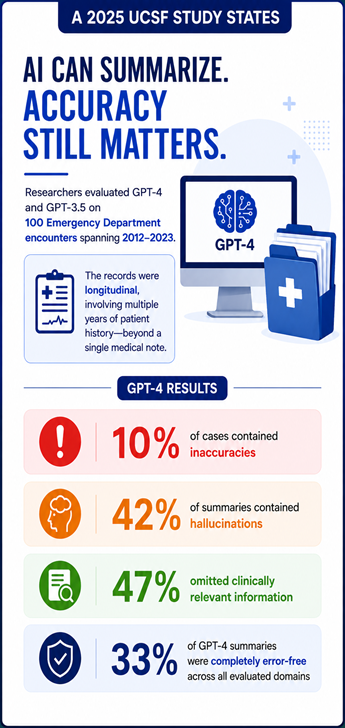
Most AI-powered demand letter and medical chronology tools on the market today were trained on — and optimized for — high-volume, low-complexity personal injury files: single-incident soft tissue claims, straightforward liability, a handful of providers, a few months of treatment. That's where generic AI performs well, and where it earns its reputation for speed.
Complex and catastrophic cases break that model. A TBI file with three years of neuropsych evaluations, a spinal cord injury with a pre-existing degenerative condition the defense will exploit, a mass tort matter with cross-referenced exposure histories — these cases require a level of clinical and legal nuance that pattern-based AI drafting tools simply aren't built for. The result, when firms rely on generic AI for these files, is often a technically complete but substantively thin document: one that misses causation subtleties, glosses over pre-existing condition disputes, or fails to capture the true long-term impact of an injury.
This is precisely the complexity gap our Complex & Catastrophic Case Review service is built to fill — human legal-domain judgment applied exactly where generic AI output falls short.
Human Legal-Domain Judgment Where It Matters Most
We conduct a comprehensive manual review of the available case materials and produce an attorney-focused analysis designed to help your team understand what the record actually supports, where the weaknesses are, and which issues require additional investigation or expert support.
1. Complete Medical Record Analysis and Reconstruction
We analyze and reconstruct the treatment history across providers, facilities, specialties, and years of care, and identify important omissions, inconsistencies, and gaps.
2. Causation Analysis & Causation Gap Identification
We identify where the record supports causation, where it is unclear, and where the defense may argue another cause — determining how well the evidence supports the causation narrative.
3. Pre-Existing Condition & Prior-Injury Review
We separate prior conditions from post-incident changes, identify potential aggravation or exacerbation issues, and flag conditions relevant to causation, apportionment, or damages.
4. Damages & Future-Care Review
We review the available evidence supporting current and future medical needs, and identify assumptions affecting the damages presentation, including life-care planning projections.
5. Case Weaknesses & Red Flags
We surface issues that may require additional records, expert opinions, discovery, or attorney attention.
Who This Service Is For
Complex & Catastrophic Case Review is built for personal injury firms handling:
✓
Traumatic brain injury (TBI) and closed head injury claims
✓
Spinal cord injury and paralysis cases
✓
Multi-year, multi-provider treatment histories
✓
Cases with disputed or contested causation
✓
Wrongful death litigation
✓
Mass tort and multi-claimant matters
If your firm is already using AI tools for routine, high-volume files but needs a higher standard of review for the cases where the stakes — and the settlement or verdict value — are highest, this is the service built for exactly that gap.
Don't Let a Complex Case Become an AI Shortcut
Your most valuable cases deserve more than a generic AI summary.
Get a human review of the medical records, causation issues, pre-existing conditions, and damages evidence before those issues become problems.
FAQs
Common questions about our Complex & Catastrophic Case Review service.
Our Services


About Us
Get in Touch with Us!
© 2026 FactAssess. All rights reserved. Privacy Policy